Every JoaQuin enclosure is designed to exact specifications, fabricated at our Denver facility, and delivered fully integrated — ready for immediate installation.
The central nerve center of a substation — housing protection relays, control panels, SCADA equipment, communications, batteries, and auxiliary power.
Houses medium and low voltage electrical equipment for power distribution, control, and protection with proper spacing, ventilation, and arc flash considerations.
Houses equipment to convert and distribute utility power for electric rail and transit systems — transformers, rectifiers, DC switchgear, and protection systems.
The backbone of safe and reliable power distribution — housing MCCs, switchgear, panelboards, and auxiliary power systems.
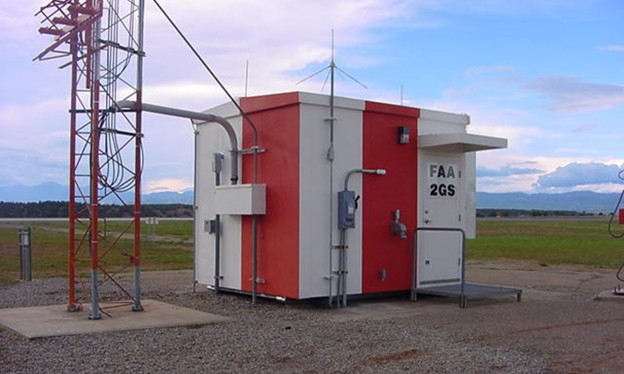
Purpose-built for navigation aids, radar systems, and aviation communications since 1978. Deployed worldwide — Alaska, Hawaii, Guam, Germany, and beyond.
Purpose-built for SCADA, fiber networks, radio, microwave, and data transmission equipment. Protecting critical systems for decades.
Control buildings, inverter enclosures, and BESS shelters for utility-scale renewable energy projects. Designed for remote sites, extreme environments, and rapid deployment.
Switchgear buildings, cooling infrastructure enclosures, and power distribution facilities purpose-built for the precision demands of data center operations.
Hazardous-rated electrical buildings for upstream and midstream operations — Class I Div 1 & 2, explosion proof, corrosion resistant.
Integrated control buildings for distributed energy systems — solar, BESS (battery energy storage), generators, and grid-tie controls in one factory-tested enclosure.
Traction power, signal houses, and wayside equipment buildings for rail, light rail, streetcar, and transit systems nationwide.
Mobile equipment trailers, guard booths, command posts, and specialty enclosures for aerospace, transit, and government installations requiring quick deploy or temporary placement.
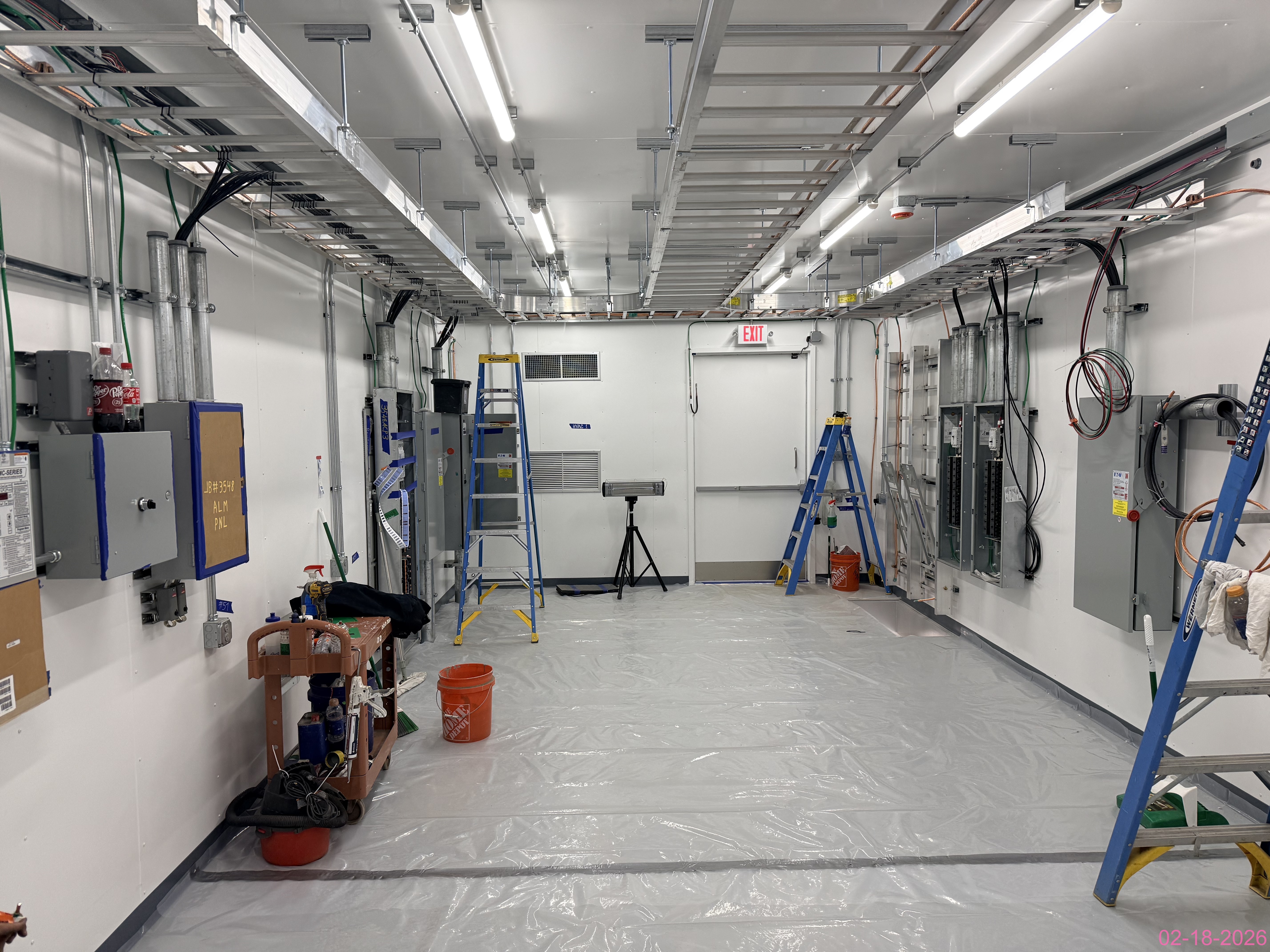
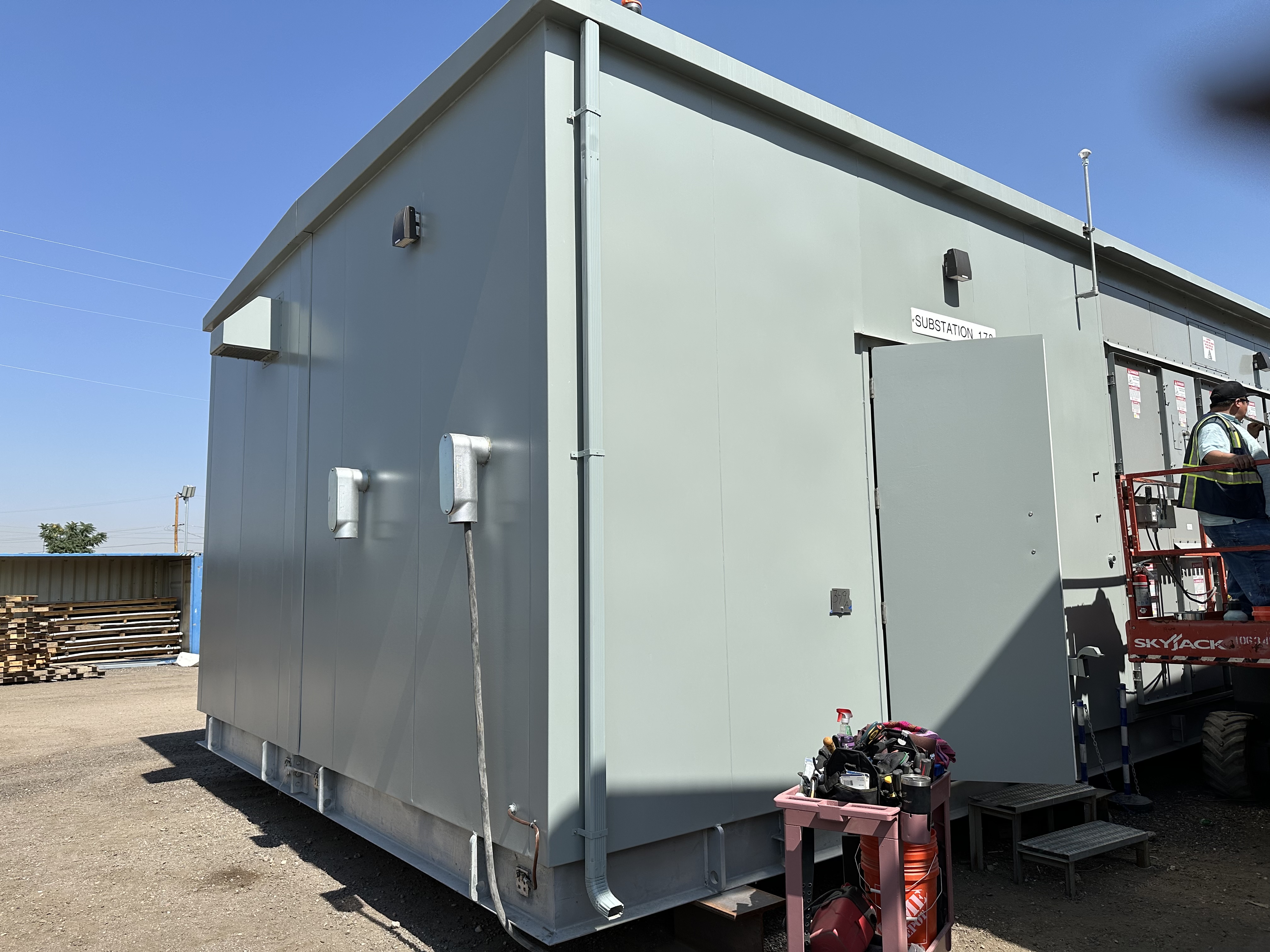
The substation control building — commonly called a control house or E-house in the industry — is the central nerve center of any electrical substation. It houses protective relay panels, SCADA and communications systems, power control centers, BESS (Battery Energy Storage System) and battery banks, and auxiliary power that keep the grid running. Every design decision, from cable routing paths to HVAC sizing, is driven by the equipment inside and the environment outside.
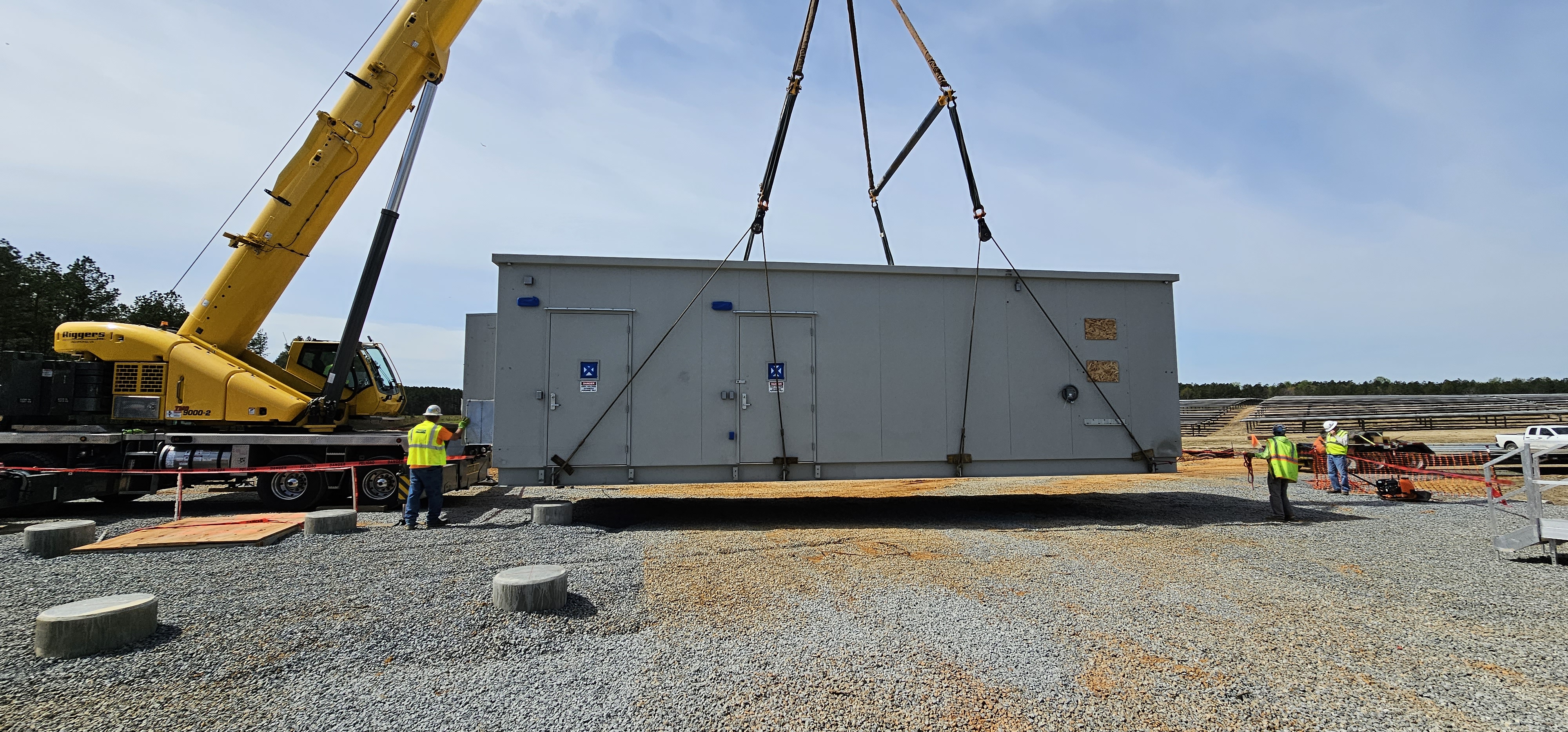
JQMC engineers each pre-wired substation control building around your electrical one-line and equipment layout. Proper clearance for arc-flash boundaries, dedicated cable trenches or overhead raceways, seismic bracing where required, and thermal management for 24/7 heat-generating protective relay equipment are all addressed before steel is ever cut. The result is a fully integrated, factory-tested, pre-wired enclosure that arrives at your site ready for equipment termination and commissioning — not months of field construction.
Whether destined for a remote solar farm in the Mojave Desert or a utility switchyard in the Midwest, JQMC substation buildings are built to perform in extreme heat, cold, wind, and seismic zones with decades of reliable service life.
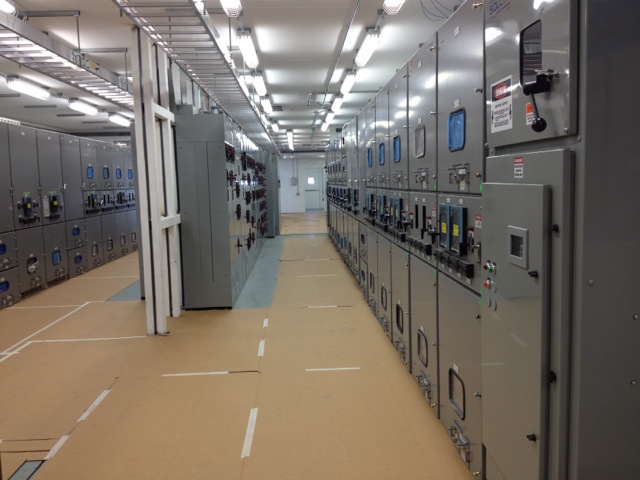
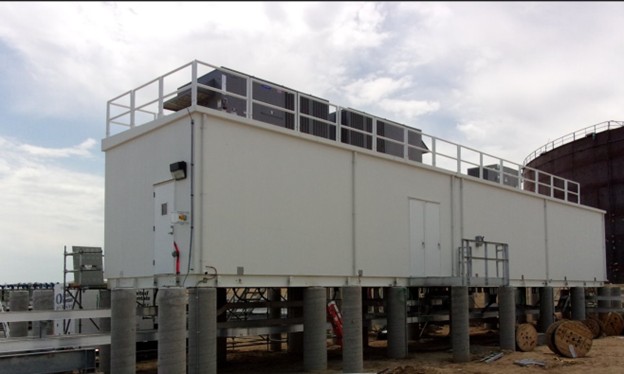
Switchgear buildings — known in industrial settings as E-houses (electrical houses) — protect medium and low voltage equipment responsible for power distribution, circuit protection, and load management. The equipment inside — breakers, disconnect switches, bus bars, metering, and protective devices — demands precise electrical clearances, robust structural support, and carefully engineered ventilation to handle continuous heat loads.
JQMC designs switchgear enclosures with arc-flash mitigation at the forefront. Proper working space per NEC Article 110, ventilation pathways sized to actual heat dissipation requirements, structural steel rated for heavy switchgear loading, and maintenance-friendly access from multiple sides are standard practice — not afterthoughts. Floor openings, cable entry points, and bus duct penetrations are coordinated directly from your equipment submittals.
From a single relay house to a multi-bay lineup building, every JQMC switchgear enclosure is fabricated, wired, insulated, painted, and quality-inspected at our Denver facility before it ships — reducing field labor, schedule risk, and commissioning time.
Traction power substations convert and distribute utility AC power into the DC power that drives electric rail and transit systems. Inside a typical TPSS you'll find rectifier transformers, DC switchgear, AC breakers, protection and monitoring systems, batteries, and communications equipment — all generating significant heat in a confined, mission-critical space.
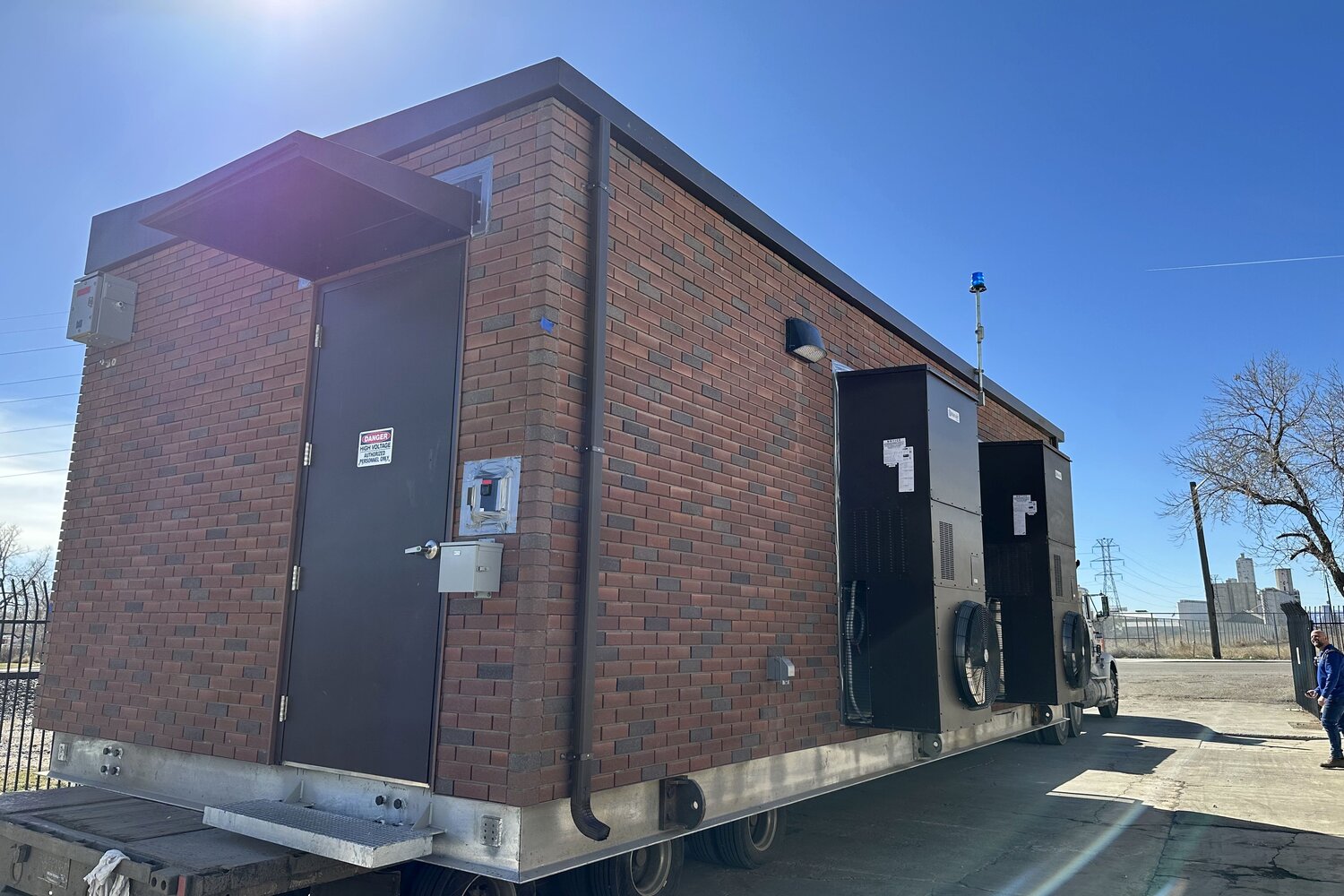
JQMC has built TPSS enclosures for transit authorities across the country. These buildings must withstand high vibration environments near active rail corridors, meet FTA and APTA standards, accommodate UL 752 ballistic-rated wall assemblies where required, and often feature architectural facade finishes — such as brick veneer or decorative metal panels — to blend into urban streetscapes.
Each TPSS is engineered as a multi-module or single-unit structure depending on site constraints and equipment requirements. Heavy-duty structural steel, dielectric flooring, specialized ventilation for DC equipment heat loads, and noise-attenuating wall assemblies are all part of the standard JQMC approach to transit power infrastructure.
Motor control center and power control center buildings — also called PDCs (Power Distribution Centers) or E-houses in many industrial deployments — are the backbone of industrial and utility power infrastructure. They house MCCs, low and medium voltage switchgear, panelboards, transformers, VFDs, and auxiliary power systems that keep operations running. Every component inside generates heat, requires specific clearances, and demands reliable grounding.
JQMC designs each pre-wired power distribution center around the actual equipment it will house — not just the footprint, but the weight loads, cable entry requirements, ventilation needs, and maintenance access paths. Floor reinforcement for heavy MCC lineups, dedicated cable trenches, overhead busway provisions, and properly sized HVAC systems are all part of the engineering package. Every power control center leaves our Denver facility factory tested and ready for immediate energization.
The result is a prefabricated, factory-integrated enclosure that dramatically reduces on-site construction time. Equipment arrives pre-mounted, wiring is complete, insulation is installed, and the building has been quality-inspected and tested before it ever leaves our facility. For owners and contractors, that means faster energization and fewer field coordination headaches.
JoaQuin Manufacturing has been building shelters for the Federal Aviation Administration and aviation industry since 1978 — nearly half a century of purpose-built enclosures protecting the navigation aids, approach lighting systems, instrument landing systems, radar equipment, and communications infrastructure that keep aircraft and passengers safe.
FAA shelters operate under some of the most stringent requirements in the industry. Equipment availability is non-negotiable — these systems must function 24/7 in every climate condition from Arctic cold to desert heat. JQMC builds to FAA specifications with redundant environmental controls, clean and stable power distribution, proper EMI/RFI shielding, security provisions, and construction materials that are certified lead-free and asbestos-free.
From approach lighting system with sequenced flashers (ALSF) shelters with their distinctive red-and-white checkerboard markings to instrument landing system (ILS) equipment buildings, every FAA shelter JQMC produces is built to deliver decades of uninterrupted, maintenance-friendly service in the most demanding operational environments aviation requires.
Modern infrastructure depends on uninterrupted communication. JQMC communication shelters are purpose-built to house SCADA systems, fiber optic distribution, radio and microwave equipment, cellular infrastructure, and data transmission systems that utilities, municipalities, and telecom providers rely on every day.
Communication equipment is particularly sensitive to temperature fluctuation, electromagnetic interference, and grounding integrity. JQMC addresses these challenges with precision-engineered thermal management systems, clean grounding and bonding per industry standards, integrated cable management with proper bend radius provisions, and secure access control — all designed to protect sensitive electronics for decades of continuous operation.
Whether it's a radio building for a municipal water district, a SCADA communication hub for an electric cooperative, or a fiber distribution shelter for a telecom provider, JQMC delivers a fully insulated, climate-controlled, and security-hardened enclosure that arrives at site ready for equipment installation and integration.
Utility-scale renewable energy projects demand solar buildings and wind farm buildings that perform in remote, harsh environments with minimal maintenance. JQMC builds pre-wired solar control houses, inverter enclosures (sometimes called E-houses), collector substation buildings, and BESS (Battery Energy Storage System) shelters designed specifically for renewable energy installations.
Every building is engineered for the site conditions — extreme heat in desert solar fields, high wind loads on wind farm ridgelines, and the unique electrical requirements of inverter systems, step-up transformers, and energy storage integration. NEMA 1 through 4 rated enclosures, seismic bracing where required, and thermal management for continuous equipment heat loads are standard.
Data center operators require enclosures built to exacting tolerances with zero margin for error. JQMC builds purpose-designed buildings for the unique demands of data center power and cooling systems — switchgear E-houses, PDCs (Power Distribution Centers), dedicated cooling infrastructure enclosures, UPS housing, and BESS battery backup enclosures.
Every JQMC data center building is engineered around your equipment layout and operational requirements. Precision thermal management, redundant power pathways, and the structural integrity to support heavy electrical equipment are designed in from day one. Our Denver facility has proven capacity for sequential multi-unit production runs — delivering on a rolling schedule that matches your site installation timeline.
Recent data center work includes 16-unit structural steel skid and skeleton frame production runs for a major data center infrastructure contractor — each unit fabricated to tight tolerances and delivered on cadence across five months. JQMC locks American steel pricing at purchase order to eliminate tariff exposure on multi-unit programs.
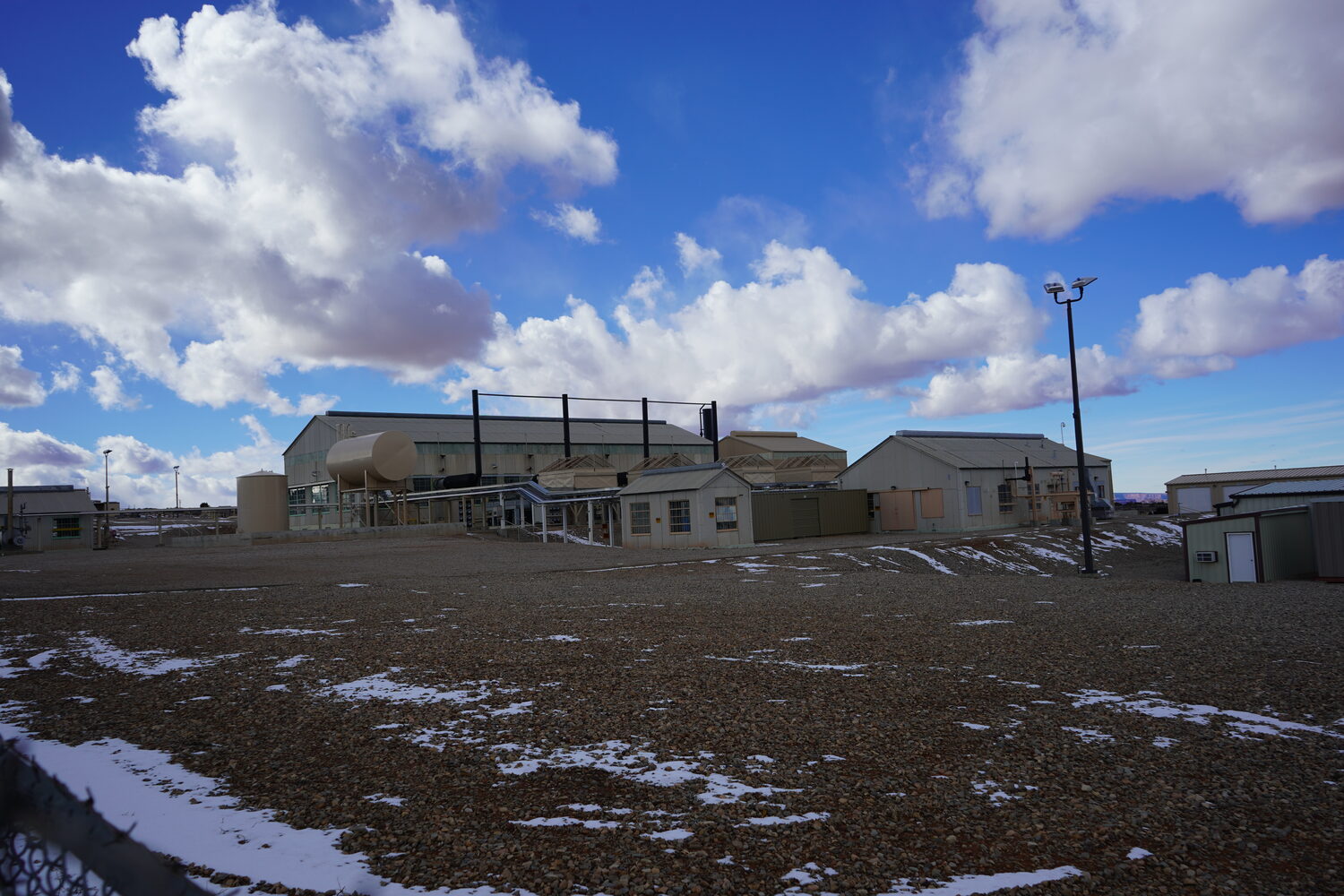
Oil and gas operations demand enclosures that perform in some of the most extreme and hazardous environments on earth — from North Dakota wellpads to midstream compressor stations and gas processing facilities. JQMC builds hazardous-rated E-houses, motor control centers, PDC buildings, and instrument shelters engineered for the unique demands of upstream and midstream operations.
Hazardous area compliance is built in from the design phase. Class I Division 1 and Division 2 rated enclosures, explosion-proof electrical systems, gas detection integration, and specialized ventilation are standard capabilities — not afterthoughts. Every building is engineered to the specific hazard classification of your site.
JQMC's oil and gas enclosures are built to withstand corrosive atmospheres, extreme temperature swings, high wind loads, and the heavy vibration environments common to production sites — with the documentation and certification packages that EPC contractors and operators require.
Microgrids represent the future of distributed energy — integrating solar generation, BESS (Battery Energy Storage Systems), backup generators, and grid-tie controls into a self-sustaining power system. JQMC builds the microgrid control houses and equipment enclosures that house the brains and muscle of these installations for military bases, remote communities, industrial campuses, and critical facilities.
Every microgrid control building is engineered to accommodate the complex integration of multiple power sources — inverters, transfer switches, BESS and battery management systems, SCADA controls, and generator interconnections — in a single, factory-tested enclosure. The result is a complete, pre-commissioned power management hub that arrives at site ready for connection and operation.
JQMC has built microgrid enclosures for military installations, commercial campuses, and industrial deployments across the country. Our experience spans traction control, transportation, and renewable integration applications.
America's rail, light rail, streetcar, and bus rapid transit systems depend on reliable wayside power and control infrastructure. JQMC builds the traction power substations, signal houses, wayside equipment buildings, and passenger facility structures that keep transit systems running — from urban streetcar lines to commuter rail networks across the country.
Transportation enclosures face unique challenges: high vibration from adjacent rail corridors, strict FTA and APTA compliance requirements, architectural facade mandates in urban environments, and the need for DC traction power conversion alongside AC distribution. JQMC addresses all of these with purpose-engineered structures featuring dielectric flooring, specialized ventilation for rectifier heat loads, and noise-attenuating wall assemblies.
Whether it's a single signal house or a multi-module traction power substation with architectural brick veneer, every JQMC transportation building is factory-tested and delivered ready for trackside installation — eliminating months of field construction adjacent to active rail corridors.
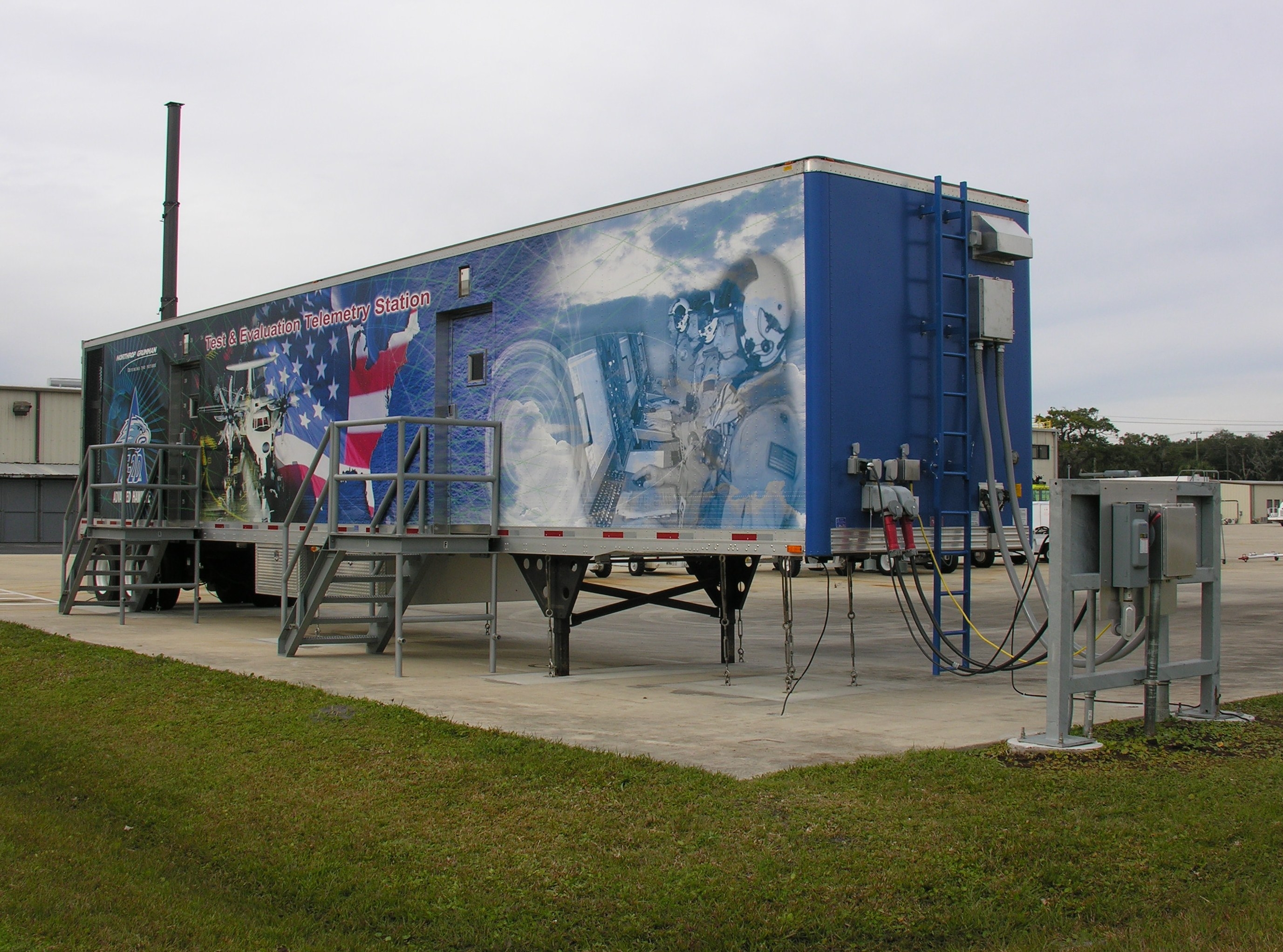
Beyond fixed-site enclosures, JQMC builds mobile equipment trailers, guard booths, command posts, and specialty enclosures for clients who need quick deploy, temporary placement, or mission-specific structures. From a NASA mobile equipment trailer to a security guard booth at Denver International Airport, these are purpose-built one-offs that don't fit any other category — and that's exactly what we do best.
Specialty work demands flexibility: unusual footprints, integrated road-ready chassis, security hardening, observation glazing, weatherized communications systems, and rapid factory turnaround. Every project starts with the customer's exact mission requirements and ends with a fully-tested, ready-to-deploy structure delivered on schedule.
If your project doesn't fit a standard product line — call us. 48 years of one-off specialty builds tells us we've probably done something close, and what we haven't done before, we can engineer.
48 years of engineering, fabrication, and delivery — to the industries that can't afford to get it wrong.